Are SNACTIVATE protein snacks affordable?
Why did snacks stop being fun and good for you?
60,000+ Bars Snapped Up — Be Next
SNACADEMY
Two of the most well-liked products on the market for improving your eating habits and nutrition are protein bars and protein wafer bars. Each has a special set of health benefits, such as helping with weight loss, offering low-calorie snack options, and having formulations with high protein or zero sugar. But how can you choose the one that's best for you? To assist you in making an informed decision, this thorough guide compares the flavours, textures, nutrition, and tastes of these two health snacks.
What is a Protein Bar?
Protein bars are compact, nutrient-dense snacks created to offer a substantial protein content conveniently. They are commonly used by athletes, fitness enthusiasts, and individuals seeking to boost their protein consumption without introducing too many calories or sugar into their diet. High protein bars are particularly favoured for their capacity to aid in muscle recovery and development, rendering them a perfect choice for a post-exercise treatment.
What is a Protein Wafer Bar?
Protein wafer bars, however, provide a lighter option compared to conventional protein bars. They are composed of crispy wafer layers that are filled with high-protein cream and coated in chocolate. These bars are ideal for individuals who enjoy snacks with a crispy texture and are seeking low-calorie protein bars that offer a delightful taste. Despite their lighter composition, they still deliver a significant amount of protein to aid in muscle repair and growth, making them a suitable choice for individuals who are mindful of their calorie consumption.
Taste:
The flavour of a protein bar compared to a protein wafer bar can differ significantly. Traditional protein bars typically have a dense and chewy texture, and they come in various flavours, ranging from chocolate to fruit-nut combinations. Some individuals may find them too heavy or thick, particularly if they consume them as a snack between meals. On the other hand, protein wafer bars are recognized for their light and crispy texture, and they are often considered more enjoyable by those who dislike the dense sensation of traditional protein bars. They are usually less excessively sweet and provide a more refined flavour profile, which makes them a popular choice for a broader range of people.
Texture:
One of the most apparent disparities between the two is the distinction in texture. Typically, protein bars possess a chewy consistency and can occasionally be rather firm, contingent upon the brand and ingredients employed. Their purpose is to provide satiety and contentment, aiding in the prevention of hunger for extended durations.
On the other hand, protein wafer bars present a crispy, delicate texture that deviates from the usual. Their light and airy layers render them a delightful treat that doesn't weigh heavily on the stomach, making them perfect for a swift protein enhancement without bulkiness.
Nutrition:
Both protein bars and protein wafer bars offer significant health benefits from a nutritional standpoint. They both contain high levels of protein, which is essential for meeting daily nutritional requirements. However, there are differences in calorie and sugar content between the two types of bars.
Some individuals prefer zero-sugar protein bars or low-calorie options to indulge in a delicious snack without compromising their diet or weight loss goals. While protein bars may have higher calorie and sugar levels, there are numerous zero-sugar and low-calorie alternatives on the market. On the other hand, protein wafer bars are typically lower in calories due to their airy texture, making them a suitable option for those seeking a lighter snack.
Flavors:
Protein bars and protein wafer bars are available in a diverse range of flavours, catering to a broad spectrum of taste preferences. Whether you crave the richness of chocolate, vanilla, and caramel or prefer fruity flavours and more, there is bound to be a flavour that satisfies everyone's taste buds. Ultimately, the decision between the two usually boils down to individual preferences and dietary requirements.
Conclusion:
When deciding between protein bars and protein wafer bars, the final choice depends on personal preferences and individual dietary objectives. Whether you seek protein bars for weight loss, sugar-free alternatives, or high-protein treats to enhance your workout regimen, there is a suitable product available. When selecting your option, take into account your flavour preferences, preferred texture, and nutritional profile that aligns with your lifestyle. By doing this, you will discover the ideal protein-rich snack to help you stay energised and stay committed to your health and fitness targets.
Eating Protein Bars Without Working Out
Ever wondered if eating protein bars without working out is beneficial? Here's what you need to know. Protein bars are now a favored snack option for individuals seeking to boost their protein consumption conveniently. Nonetheless, there is often speculation regarding the suitability of consuming protein bars without consistent exercise. This blog will delve into the advantages of incorporating these healthy bars into one's diet, even without regular physical activity, while addressing frequently asked questions related to their consumption.
Is it Bad to Eat Protein Bars everyday?
Consuming protein bars daily is typically considered safe when done in moderation and as a component of a well-rounded diet. Protein bars offer a convenient method to enhance your protein consumption, particularly if you lead a hectic lifestyle or find it challenging to fulfill your protein needs solely through whole foods. Nevertheless, selecting protein bars with minimal added sugars and artificial components is crucial to prevent consuming excessive calories and encountering potential health hazards.
How Many Protein Bars Can I Eat Per Day?
Several factors, such as your protein intake objectives, level of physical activity, and overall dietary habits, influence the number of protein bars you consume daily. It is advisable to consider protein bars as a snack or substitute for a meal rather than solely relying on them as your primary source of protein. Consuming more than one or two protein bars per day might result in an excessive intake of calories and an imbalance of nutrients. Pay attention to your body's signals of hunger and fullness, and adjust your consumption of protein bars accordingly.
What's the Right Time to Eat Protein Bars?
The timing for consuming protein bars may differ based on your specific objectives and daily routine. Certain individuals have protein bars before a workout to provide energy and prevent muscle breakdown. On the other hand, some individuals prefer protein bars after a workout to restore glycogen levels and aid in muscle recovery. Moreover, protein bars can also serve as a quick snack between meals to satisfy hunger and sustain energy levels. Ultimately, the ideal time to consume protein bars is whenever it aligns with your daily schedule and nutritional requirements.
Conclusion
To summarize, consuming protein bars without engaging in physical activity is not inherently harmful. However, exercising moderation and incorporating them into a well-balanced diet is essential. Protein bars can serve as a convenient and nutritious snack for individuals seeking to increase their protein intake, regardless of their level of physical activity. Nevertheless, selecting protein bars with minimal added sugars and artificial ingredients is crucial. Additionally, paying attention to your body's signals of hunger and fullness is essential to determine the appropriate number of protein bars to consume each day. You can reap their benefits by mindfully including protein bars in your diet without compromising your overall health or fitness objectives.
Have you ever wondered why most protein bars have that distinct, chewy, dense texture? While they may pack a powerful nutritional punch, their chewiness can be challenging for some snackers. In this blog, we'll dive into the science behind the texture of protein bars, explain why they're so chewy, and introduce you to a unique, light alternative: Snactivate's protein wafer bars.
The Role of Protein in Protein Bars
Protein bars are designed to deliver a high dose of protein in a convenient, portable form. However, packing in high protein content can lead to a dense, chewy texture. This is because protein itself, whether from whey, soy, or plant-based sources, has a thicker, heavier consistency when blended with other ingredients.
Binding Agents and Their Impact on Texture
To hold everything together, manufacturers add binding agents like syrups, oils, or fibers, which also contribute to the chewiness of protein bars. These binders ensure that bars don't crumble, making them a practical on-the-go snack, but they can also add to the "sticky" chewiness. If you've noticed this in your bars, it's the binders doing their job—keeping everything intact!
Sugar Content and Its Chewy Side Effect
High-sugar or sugar alternatives are often included to make protein bars taste better. Syrups like honey, brown rice syrup, or even natural sugars increase chewiness as they add moisture, resulting in that soft, bendy texture. These sugars make protein bars more palatable, but they also turn each bite into a serious jaw workout!
Snactivate Protein Wafer Bars: A Lighter, Crunchier Alternative
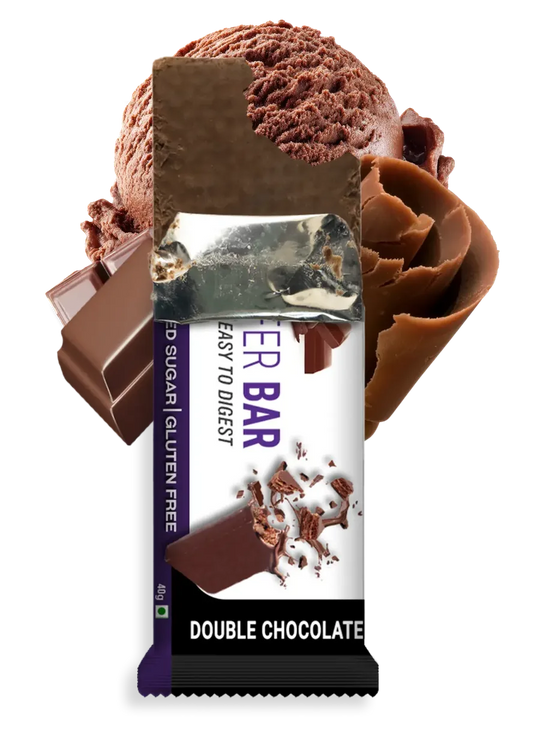
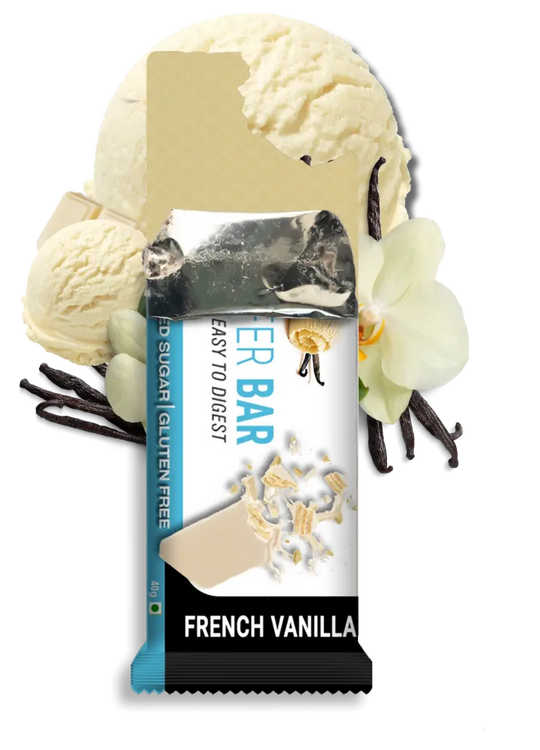
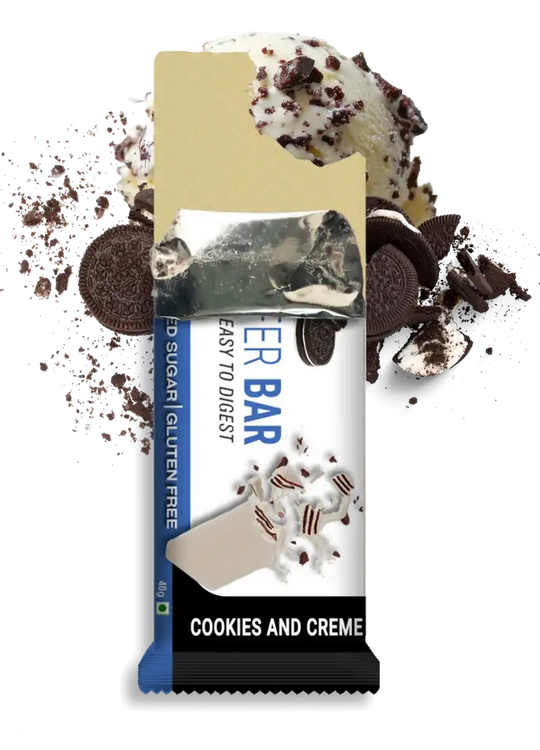
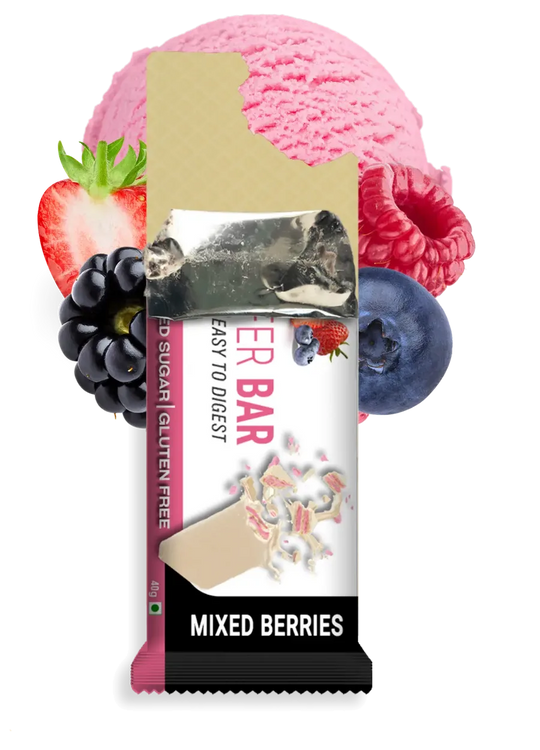
If dense and chewy isn't your style, you'll be happy to know there are alternatives. Snactivate's protein wafer bars bring a new texture to the protein bar scene, combining light, crispy layers with creamy filling to create a deliciously crunchy and easy-to-eat snack. These wafer bars have all the protein power without the dense, sticky chewiness, making them an excellent choice for those who prefer a lighter feel in their protein snacks.
The Benefits of Chewy Protein Bars: Are They Worth It?
Chewiness has its perks. For one, it makes each bar more satisfying, so you're less likely to eat it too quickly or feel hungry right after. Plus, the effort to chew can slow you down and signal fullness, which helps keep you satisfied for longer periods. So, while they may be tough to chew, there's an upside! But if you're not a fan, there's no need to compromise on texture—try a lighter protein bar like Snactivate's wafer version.
Alternative Ingredients for Softer Textures
To appeal to different preferences, some brands are introducing softer protein bars with alternative binders, like coconut oil or almond butter, which can give a smoother, less chewy texture. Options like these are great if you're looking for a change from the typical high-protein, chewy bars but still want quality ingredients and balanced nutrition.
Conclusion
Chewy or crunchy, there's a protein bar texture for everyone! Whether you enjoy the classic chewy protein bar or prefer something lighter like Snactivate's crispy protein wafer bars, the choice is about your preference. Next time you reach for a protein bar, consider the ingredients and texture and pick the option that makes you happiest on every bite.